Sleep a Symptom of Caffeine Deprivation
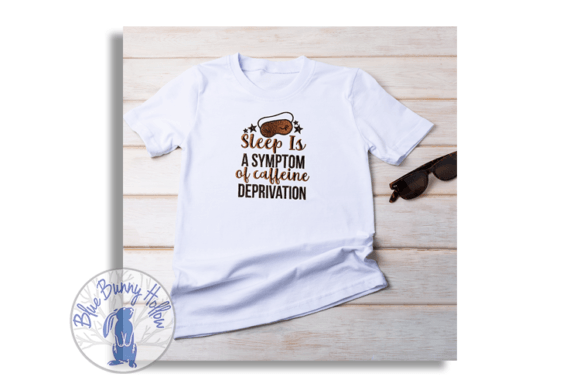
As a designer who spends more time staring at digitizing software than sleeping, I have a complicated relationship with coffee. It is the fuel that keeps my creative engine running, but it often comes at the cost of actual rest. When I first encountered the Sleep a Symptom of Caffeine Deprivation embroidery design, it felt less like a random novelty item and more like a mirror held up to my own chaotic workflow. The concept is simple: a sleeping mask surrounded by stars, paired with the witty declaration that sleep is merely a symptom of needing more caffeine. For those of us in the handmade community, this isn’t just text; it’s a statement piece that resonates deeply with our target audience.
I recently evaluated this file for a potential custom apparel project, specifically aiming to create a line of humorous yet high-quality hoodies and tote bags for an upcoming craft fair. My goal was to determine if Sleep a Symptom of Caffeine Deprivation had the visual weight and emotional resonance to stand out on a crowded booth table, or if it would get lost among generic quotes. After running tests on various fabric swatches and analyzing the stitch work, here is my practical breakdown of how this design performs in real-world production.
First Impressions and Visual Personality
The immediate appeal of this machine embroidery design lies in its relatability. The mood is playful, slightly self-deprecating, and undeniably cozy. The inclusion of the sleeping mask and stars adds a soft, illustrative quality that balances the sharp wit of the typography. From a design perspective, the layout feels balanced. The iconography provides a focal point that draws the eye before the viewer reads the punchline. This hierarchy is crucial for embroidered goods, where legibility can be compromised by thread texture or fabric grain.
Visually, the design suggests a casual, lifestyle-oriented aesthetic. It fits naturally into the world of custom apparel, particularly items meant for lounging, working from home, or attending coffee shops. The "adulting is hard" subtext implied in the full phrase connects with millennials and Gen Z consumers who value humor as a coping mechanism. When I looked at mockups of this design on a slate-gray sweatshirt, the contrast between the dark background and the lighter thread colors (assuming a standard palette) created a sophisticated yet fun look. It doesn’t scream for attention; it invites a smile.
Real-World Application: The Tote Bag Test
To truly judge the viability of Sleep a Symptom of Caffeine Deprivation, I decided to prototype it on a canvas tote bag. This is a staple product for any Etsy seller or small shop product owner. Totes are large enough to showcase the detail but often made of textured fabrics that can challenge digitized files.
Stitching the design onto natural canvas revealed some important insights. The satin stitches used for the outline of the sleeping mask held up well, providing a clean edge against the coarse weave of the canvas. However, the fill stitches representing the stars required careful attention to density. If the stitch density is too high, the fabric puckers; if too low, the background shows through. In my test run, the stars appeared crisp and distinct, adding a touch of whimsy without overwhelming the text. Customers browsing a market stall are likely to pick up a bag that makes them laugh. This design offers that instant connection. It transforms a basic accessory into a personalized gift that speaks directly to the recipient’s daily struggles.
Performance Across Different Products
While the tote bag was a success, I also considered how Sleep a Symptom of Caffeine Deprivation would translate to other mediums. Here is how I see it performing in various categories:
- Sweatshirt Embroidery: This is perhaps the strongest use case. The cozy theme aligns perfectly with heavy cotton blends. The design works well centered on the chest or as a larger graphic on the back. It appeals to anyone who values comfort and humor in their wardrobe.
- Kitchen Towels and Aprons: For the tea towel design enthusiast, this adds a dash of personality to the kitchen. It acknowledges the ritual of morning coffee while preparing meals. The durability of the embroidery ensures it survives frequent washing, making it a lasting handmade product.
- Baby Embroidery: Interestingly, this design could work for new parents. Sleep deprivation is universal for new moms and dads. A onesie or nursery wall hanging featuring this quote offers a shared joke between exhausted parents. It serves as a thoughtful holiday embroidery gift for baby showers.
- Embroidered Patches: Converting the iconography into a patch allows for versatility. These can be attached to denim jackets, backpacks, or hats, extending the life of the design beyond a single garment.
Where Caution Is Required
No design is perfect for every application. There are specific scenarios where Sleep a Symptom of Caffeine Deprivation might struggle. First, avoid using this on small hoop sizes. If the text becomes too tiny, the nuance of the joke is lost, and the stitching may become muddy. Similarly, textured fabrics like bouclé wool or thick chenille can obscure the details of the stars and the curve of the mask.
Thin or stretchy fabrics require a robust stabilizer solution. Without proper support, the tension of the satin stitch can distort the fabric, leading to a warped final image. Additionally, dark fabrics demand high-contrast thread choices. If the threads blend too closely with the background, the design loses its impact. Always inspect small details and test on scrap fabric first to ensure the stitch density is appropriate for the material you are using.
Practical Designer Notes for Production
For those looking to incorporate this into their craft business or commercial embroidery projects, keep these technical tips in mind:
- Check Thread Colors: Ensure your thread selection provides enough contrast. Light threads on dark backgrounds usually yield the best results for readability.
- Review Stitch Density: High-density areas can feel stiff and uncomfortable on garments. If possible, optimize the underlay stitches to reduce bulk.
- Confirm Licensing: Before selling finished items or digital products, verify the licensing terms. Some designs allow commercial use, while others are personal-use only. This is critical for protecting your brand consistency and avoiding legal issues.
- Test in Black and White: View the design in grayscale to check for balance. Sometimes color masks poor composition.
- Use Proper Stabilizer: Cut-away stabilizers are generally recommended for knitwear and stretchy fabrics to prevent distortion over time.
Final Verdict
Sleep a Symptom of Caffeine Deprivation is a strong contender for designers looking to add humor and relatability to their collections. It successfully bridges the gap between cute aesthetics and witty commentary. Whether you are creating apparel decorators inventory, listing on Etsy, or making gifts for friends, this design has the potential to drive engagement and sales. It feels professional, polished, and genuinely funny. Just remember to respect the technical limitations of your machine and materials. With proper execution, this embroidery file can elevate a simple product into a memorable piece of wearable art. For any creative entrepreneur tired of generic quotes, this design offers a refreshing, authentic voice that customers will appreciate.