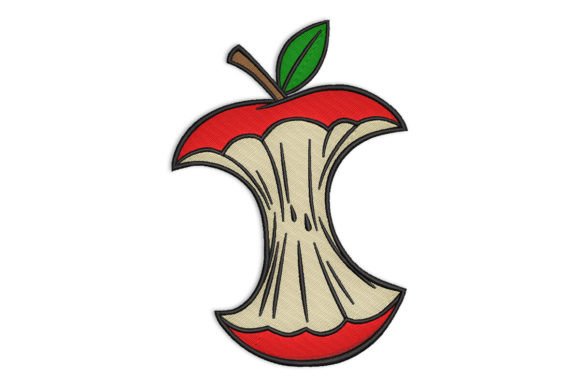
Apple Core Embroidery Design Review
Walking into a craft fair or setting up my booth for the weekend, I am always scanning for that one element that stops a passerby in their tracks. It is not always about complexity; often, it is about charm, relatability, and that immediate "I want to touch that" feeling. As an experienced embroidery designer who has turned countless digital files into tangible craft fair products, I look at every new machine embroidery design through the lens of marketability and aesthetic appeal. Today, I am reviewing the Apple Core design, a piece that promises a touch of whimsy and charm for your home decor and apparel projects.
First Impressions: Whimsy Meets Rustic Charm
The title alone, Apple Core, evokes a specific mood. It suggests something leftover but still beautiful, a nod to nature, simplicity, and perhaps a hint of farmhouse chic. When I first visualize this as an embroidery file, I imagine it leaning towards the cute, rustic, or soft side of the spectrum rather than the bold, modern, or high-fashion categories. For Etsy sellers and boutique makers, this distinction is crucial because it defines your target audience.
This design feels like it belongs in a world of pastel florals, linen textures, and cozy kitchens. It is not aggressive or loud. Instead, it offers a gentle visual hook. In a sea of intricate monograms and complex landscapes, a simple, well-executed apple core stands out because it is recognizable and endearing. It feels premium yet accessible, making it an excellent candidate for handmade gifts and everyday carry items.
Product Potential: Where Apple Core Shines
Not all designs sell equally well on every product. Based on my experience producing small shop products, here is where the Apple Core design will truly perform:
- Tea Towel Embroidery: This is arguably the strongest use case. The playful nature of an apple core fits perfectly with kitchen aesthetics. Whether stitched on a plain white cotton towel or a subtle gingham pattern, it adds personality without overwhelming the utility of the item. These are impulse buys at craft fairs—low price point, high perceived value.
- Tote Bag Design: A small apple core centered on a canvas tote bag is a classic look. It photographs beautifully for online listings and appeals to book lovers, grocery shoppers, and students. The contrast between the sturdy fabric of the bag and the delicate stitches of the design creates a tactile appeal that customers love.
- Apron Embroidery: Similar to tea towels, aprons benefit from this whimsical touch. Placed near the pocket or hem, the design adds a professional yet personal flair to kitchen wear. It signals that the maker cares about details, which builds trust in your brand.
- Embroidered Patch: Converting the design into a patch allows for versatility. You can attach these to denim jackets, backpacks, or beanies. Patches are incredibly popular among younger demographics and offer a great way to experiment with different thread colors without committing to a full garment.
- Pillow Covers and Home Decor: For the home decor angle, this design works well on throw pillows. It brings a seasonal feel that can be adapted for autumn (if using warm reds/oranges) or kept neutral for year-round appeal. It adds a layer of warmth to a living space display.
Practical Production and Selling Points
When evaluating a design for batch production, I look at clarity and scalability. The Apple Core design likely relies on clean lines and minimal texturing, which is ideal for consistent reproduction. However, there are practical considerations you must address before printing your printable mockup or hitting the produce button.
Visual Appeal and Attention: At a craft fair, your products need to be readable from three feet away. If the apple core is too small or lacks sufficient stitch density, it may disappear against busy fabrics. Ensure the design is large enough to hold its shape. A well-defined core with clear seeds and stem details will catch the eye much better than a blurred, overly dense cluster.
Photography and Online Listings: For Etsy sellers, the digital representation is everything. An apple core design lends itself well to lifestyle photography. Imagine it on a wooden table next to fresh apples, or on a linen napkin with coffee. These images tell a story. The whimsical nature of the design invites buyers to imagine it in their own homes, increasing engagement and conversion rates.
Batch Production: Is this design repeatable? Yes. Simple motifs like this are efficient to stitch, meaning you can produce multiple units in a shorter timeframe. This efficiency is key for maintaining healthy profit margins when selling at volume. Check the stitch density to ensure your machine can handle rapid production without thread breaks or tension issues.
Careful-Use Notes and Technical Checks
Even charming designs have technical pitfalls. Before you commit to mass production, consider the following:
- Dense Stitch Areas: If the core contains heavy satin stitching, test it on scrap fabric. Dense areas can pucker lightweight fabrics like muslin or thin cotton blends. Use a cut-away stabilizer for woven fabrics to prevent distortion.
- Tiny Details: Avoid placing this design on highly textured fabrics, such as terry cloth towels or chunky knits, unless you are confident in your hooping technique. The texture can obscure fine details, causing the apple core to look muddy or indistinct.
- Fabric Contrast: Thread choice is critical. On dark fabrics, you may need a backing stabilizer that prevents show-through, and you must choose light-colored threads that pop against the background. Conversely, on light fabrics, avoid threads that are too close in shade to the material.
- Hoop Size Constraints: Confirm the hoop size required by the design file. If the design is larger than standard hoops, you may need to re-hoop, which increases production time and risk of misalignment. Always check the dimensions before listing the digital embroidery file as a commercial asset.
Designer’s Final Verdict
The Apple Core design is a versatile, charming addition to any embroiderer’s library. It bridges the gap between functional home goods and decorative art, making it a strong contender for commercial embroidery ventures. Its success lies in its ability to evoke a sense of comfort and nostalgia.
To maximize its potential, I recommend starting with a few sample products—a tea towel, a tote bag, and a patch. Test the design on various fabrics, refine your stabilizer choices, and capture high-quality photos. Once you have validated the look and feel, you can confidently scale up production for your next craft fair or online store launch. Just remember to confirm your commercial licensing terms before selling finished products, ensuring you respect the original creator’s rights while building your own brand identity.
By focusing on quality execution and thoughtful presentation, the Apple Core design can become a standout item that draws customers in and keeps them coming back for more handmade treasures.