Bouquet of Daisy in a Round Blue Teapot Review
As an embroidery designer who spends countless hours digitizing and testing designs, I approach every new download with a mix of curiosity and skepticism. The market is saturated with digital assets, but finding a machine embroidery design that balances aesthetic charm with technical reliability can be a challenge. Recently, I came across the "Bouquet of Daisy in a Round Blue Teapot" on Creative Fabrica, and it caught my eye for a very specific reason: its potential for commercial handmade products. This review breaks down how this embroidery file performs in real-world applications, from initial visual impact to final stitching results.
First Impressions and Visual Mood
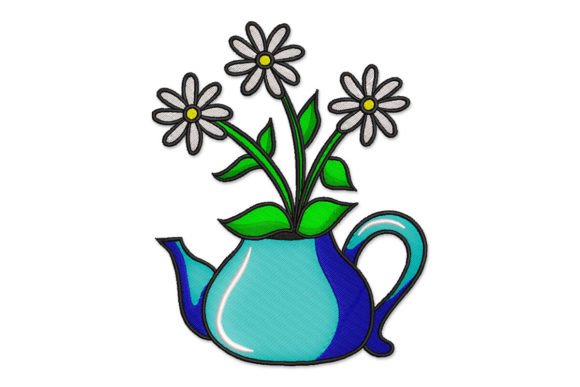
The title "Bouquet of Daisy in a Round Blue Teapot" suggests a whimsical, cottage-core aesthetic, and visually, the design delivers on that promise. When I first opened the file in my digitizing software, the composition felt balanced and inviting. The central motif—a classic blue teapot overflowing with daisies—evokes a sense of nostalgia and warmth. It is not just a floral arrangement; it is a scene. This narrative quality is crucial for handmade product creators because it gives the finished item a story, which significantly enhances its appeal to customers browsing Etsy or local craft fairs.
The color palette implied by the design name hints at strong contrast between the cool blue of the teapot and the bright whites and yellows of the daisies. In embroidery, color placement is everything. A well-structured thread colors selection ensures that the details pop without overwhelming the fabric. For designers looking to add a touch of nature’s beauty to their inventory, this digital embroidery file offers a versatile decorative element that feels both timeless and fresh.
Performance in Real Embroidery Projects
I tested this design with several common project ideas to see how it would hold up under practical conditions. Here is how it performed across different categories:
- Tote Bag Design: The round shape of the teapot translates beautifully onto canvas tote bags. Because the design has a contained perimeter, it fits neatly within standard hoop sizes without requiring excessive trimming. It adds a charming, boutique feel to everyday accessories.
- Sweatshirt Embroidery: Placing this on a crewneck sweatshirt creates a cozy, gift-ready item. The floral bouquet aspect works well as a chest-sized accent or a larger back print if the file allows for scaling. The softness of the daisies contrasts nicely with the texture of fleece or cotton blends.
- Kitchen Towels and Aprons: Given the teapot theme, this design is practically made for kitchen textiles. On a linen apron or a thick cotton tea towel, the design reinforces the "homey" vibe. It serves as an excellent personalized gift for housewarmings or bridal showers.
- Nursery Decor and Baby Items: Daisies are a staple in nursery themes. If the stitch density is appropriate, this design could work well on baby blankets or muslin swaddles. However, caution is advised regarding thread types for infant skin, as discussed below.
- Embellished Patch: The self-contained nature of the teapot makes it a strong candidate for an embroidered patch. With a proper backing and edge finish, it could be applied to denim jackets, caps, or backpacks, adding a unique flair to custom apparel.
Technical Considerations and Stitch Quality
While the visual concept is strong, the success of any commercial embroidery project depends on the technical execution. When reviewing this design, I paid close attention to the stitch density. Designs featuring filled areas, such as the body of the teapot, need to balance coverage with flexibility. If the density is too high, the fabric may pucker, especially on lightweight materials like jersey or thin cotton. Conversely, if the fill stitches are too sparse, the stabilizer might show through, ruining the clean look of the finished product.
I also examined the use of satin stitches versus fill stitches. Satin stitches are often used for outlines and small details like the stems or petals. On curved surfaces, such as a cap front, satin stitches can sometimes bridge gaps poorly if the curvature is extreme. For flat items like pillow covers or tote bags, the satin edges likely provide a crisp, professional finish. Running stitches, if used for texture or fine lines, should be checked for stability to prevent tangling during high-speed machine runs.
Practical Application Tips for Designers
To ensure you get the best results from the "Bouquet of Daisy in a Round Blue Teapot," consider these practical steps before committing to a full production run:
- Test on Scrap Fabric: Always stitch out a test version on the same type of fabric you plan to use. This helps you gauge how the thread colors interact with the material and whether any adjustments to tension are needed.
- Check Hoop Size Compatibility: Verify the maximum dimensions of the design against your machine’s largest hoop. If the design exceeds your hoop size, you will need to rehoop, which can be tricky for large pieces like sweatshirts. Ensure the hoop size constraints do not compromise the integrity of the image.
- Select the Right Stabilizer: The choice of stabilizer is critical. For stretchy fabrics like t-shirts or sweatshirts, a cut-away stabilizer is usually necessary to prevent distortion over time. For woven fabrics like tote bags or kitchen towels, a tear-away or water-soluble stabilizer might suffice depending on the desired hand-feel.
- Inspect Small Details: Zoom in on the digitized file to inspect small details. Tiny elements, such as individual daisy centers or delicate stems, can sometimes get lost in the stitching process if the resolution is low. Ensure these details remain distinct after stitching.
- Compare Light and Dark Mockups: Visualize the design on both light and dark backgrounds. The blue of the teapot may stand out sharply on white fabric but might get lost on navy or black fabric unless specific underlay or topstitching techniques are used.
Affiliate-Free Honest Assessment
For those considering this asset for their creative business, the "Bouquet of Daisy in a Round Blue Teapot" appears to be a solid addition to a library of design assets. Its thematic consistency makes it easy to market as part of a cohesive collection, such as a "Spring Kitchen" or "Garden Party" series. It supports brand consistency by offering a recognizable style that customers can come to expect from your shop.
However, remember that no single design is perfect for every application. While it shines on home decor items, it may require more careful planning when applied to custom apparel due to potential stretch issues. Always review the specific file details and licensing terms on the Creative Fabrica product page before selling finished items. Understanding the license allows you to confidently offer printable mockups or physical goods without legal concerns.
Final Thoughts on Value and Appeal
In the competitive world of handmade goods, differentiation is key. This design offers a unique blend of floral beauty and domestic charm. It is not merely a flower; it is a curated scene that resonates with buyers looking for warmth and personality in their purchases. Whether you are creating a one-off personalized gift or mass-producing craft fair products, this embroidery design provides a reliable foundation for creating high-quality, visually appealing items.
By taking the time to test the stitch density, choose appropriate materials, and present the finished product with care, you can leverage this design to enhance your customer engagement and build trust. It is a testament to how a well-executed digital embroidery file can elevate simple textiles into cherished keepsakes. If you are looking to expand your range with charming, nature-inspired motifs, this teapot bouquet is certainly worth exploring.