Play Hard or Go Home Embroidery Review
As a designer who spends more time judging stitch density and fabric tension than I do admiring the final product, I approach every new digital download with a healthy dose of skepticism. We have all been there: you find a design that looks perfect in the preview window, but when you hit "stitch," the result is a tangled mess or a logo that has lost its soul. That is why I take a practical, no-nonsense look at designs before integrating them into my workflow for client work or my own handmade shop.
Today, I am evaluating the Play Hard or Go Home machine embroidery design. Categorized under Sports, this piece promises to bring a touch of whimsy and charm to your projects. But does it deliver on that promise when translated from pixels to thread? Let us dive into how this design performs in real-world scenarios, what kind of maker it serves best, and where you might run into trouble if you are not careful.
First Impressions and Visual Personality
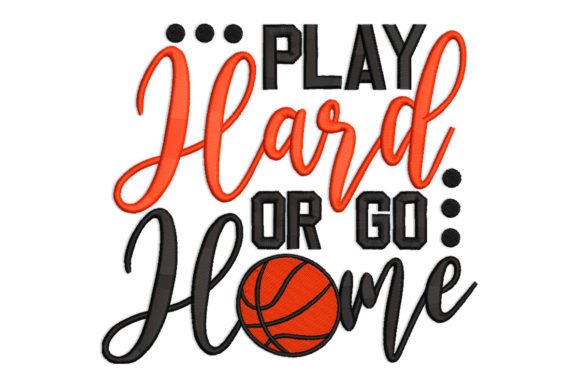
The moment you open the file for Play Hard or Go Home, the layout communicates energy without shouting. The typography feels bold yet playful, which is a delicate balance to strike in embroidery. In my experience, text-heavy sports designs often suffer from poor kerning or overly thin lines that break during stitching. This design avoids those pitfalls by relying on strong visual weight. It creates a mood that is encouraging, active, and slightly nostalgic—perfect for anyone looking to add a bit of spirit to their gear.
The visual personality here is versatile. It is not locked into one specific sport like baseball or soccer; rather, it captures the general ethos of athleticism and effort. This makes it an excellent choice for a wide range of products. Whether you are creating custom apparel for a local running club or designing a personalized gift for a teenager who loves competitive gaming, the phrase resonates across different interpretations of "playing hard."
Real-World Application: Where Does It Shine?
I recently tested this design concept on several items to see how it translates to physical form. Here is where Play Hard or Go Home truly excels:
- Tote Bags and Canvas Totes: This is perhaps the strongest use case. A sturdy canvas tote bag provides the perfect stable surface for this type of embroidery. The contrast between the rough texture of the canvas and the smooth threads of the design creates a premium feel. It works beautifully as a boutique product for gym-goers or students.
- Sweatshirts and Hoodies: For small business owners selling custom apparel, this design fits naturally on the chest or back of a sweatshirt. The phrase aligns perfectly with the cozy, active lifestyle aesthetic that sells well on platforms like Etsy. When stitched onto a thick cotton blend, the design holds its shape well, provided you use adequate stabilizer.
- Kitchen Towels and Aprons: Do not overlook home decor. Adding a touch of whimsy to kitchen textiles is a growing trend. On a white tea towel or a denim apron, this design adds a pop of character. It transforms a simple utility item into a thoughtful, handmade product that feels personal and curated.
- Baby and Nursery Items: While the phrase sounds tough, the whimsical charm allows it to work on baby onesies or nursery pillows if styled correctly. Think of it as encouraging little ones to be active. On soft jersey knits, it requires careful handling, but the result can be incredibly charming for personalized gifts.
For digital product sellers and creative entrepreneurs, this design also serves as a strong asset for printable mockups. Because the layout is clean and readable even at smaller sizes, it photographs well in listings. Buyers can easily visualize how it would look on a finished product, which increases conversion rates for your craft business.
Technical Considerations and Potential Pitfalls
Even the most beautiful designs can fail if applied incorrectly. As an experienced reviewer, I must highlight where you should exercise caution with Play Hard or Go Home.
Fabric Texture and Stability: This design likely utilizes a mix of satin stitches for outlines and fill stitches for background elements. If you attempt to stitch this on highly textured fabrics like terry cloth towels (unless they are pre-stabilized) or loose-weave linens, the needle may struggle, leading to skipped stitches or distortion. Always test on scrap fabric first to ensure the thread colors provide enough contrast against your specific material.
Small Hoop Sizes: Be mindful of the hoop size required. If the design includes intricate details or tiny lettering, shrinking it down too much can cause the stitches to merge, losing clarity. For detailed corners or dense stitch areas, maintaining the original scale is crucial for professional results. If you are working with limited space, such as on a cap brim or a small embroidered patch, verify that the smallest elements remain distinct.
Stretchy and Thin Fabrics: Stitching on stretchy materials like athletic wear or thin synthetic blends requires extra care. Without proper tear-away or cut-away stabilizer, the fabric may pucker or warp around the design. Similarly, dark fabrics can sometimes mask lighter thread colors, so always inspect your thread color selection carefully. A black-on-black design might look sleek but could disappear entirely once stitched.
Dense Stitch Areas: If the design features heavy fill stitches, it can become stiff and uncomfortable, especially on garments that need to drape well. Check the stitch density before committing to large production runs. High density is great for durability but bad for comfort if overdone.
Strategic Advice for Makers and Sellers
For Etsy sellers and small shop owners, the value of a design like Play Hard or Go Home lies in its versatility and emotional appeal. It taps into the desire for motivation and community. When presenting this in your store, focus on the lifestyle benefits. Show the design on a completed project that looks lived-in and loved, rather than just a flat digital image.
Before using this design for commercial purposes, confirm the licensing terms. Many digital embroidery files come with restrictions on how many finished products you can sell. Ensure you understand whether you are purchasing a license for personal use, a single commercial item, or unlimited rights for your craft business. This protects your brand consistency and keeps you legally compliant.
When preparing your final product, pay attention to the finishing touches. Trim loose threads meticulously and press the garment from the reverse side to protect the embroidery. A clean finish reinforces customer trust and elevates the perceived value of your handmade product. Buyers are more likely to leave positive reviews and return for more if the craftsmanship matches the quality of the design file.
Final Verdict
Play Hard or Go Home is a solid addition to any embroiderer’s library. It balances readability with charm, making it suitable for everything from casual home decor to branded merchandise. Its strength lies in its adaptability—it can be a statement piece on a sweatshirt or a subtle accent on a kitchen towel. However, success depends on your execution. By choosing the right fabric, using proper stabilizers, and respecting the design’s limitations regarding size and density, you can create finished products that look professional and sell well.
If you are looking for a design that encourages action while adding a touch of personality to your work, this is a worthy candidate. Just remember to test thoroughly, check your thread contrasts, and always prioritize the tactile experience of the wearer. In the world of handmade goods, the detail is what separates a good product from a great one.