Male Runner Embroidery Design Review
As a designer who spends more time staring at stitch density charts and fabric swatches than actually sleeping, I approach every new embroidery file with a mix of curiosity and healthy skepticism. We have all been there: you find a cute design, buy the digital file, and then spend hours wondering if it will actually hold up on a real product or just look like a tangled mess under the hoop. Today, I am putting Male Runner through its paces. This is not just about whether the lines are clean; it is about whether this design has the commercial viability and aesthetic charm to survive in the hands of a busy crafter, an Etsy seller, or a boutique owner.
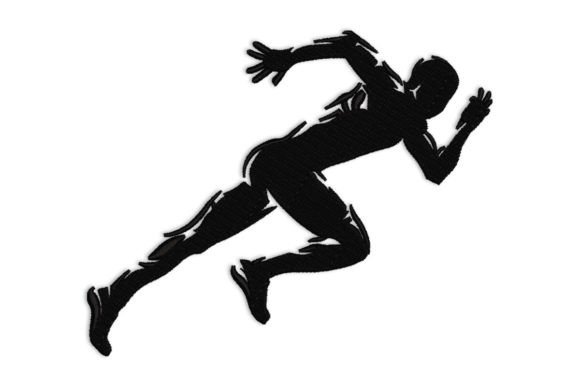
The category for this piece is listed broadly under Sports, but looking at the visual personality of the Male Runner, it feels less like a rigid athletic logo and more like a lifestyle accent. It brings a touch of whimsy and charm that is often missing from generic sports merchandise. When I first loaded the file into my digitizing software to preview the layout, the immediate impression was one of movement and lightness. The shape suggests a figure in mid-stride, which creates a dynamic focal point without being overly aggressive or loud. For designers looking to add a playful element to their collections, this kind of energy is hard to beat.
Real-World Application: From Screen to Stitch
Let’s talk about where this design actually shines. In my experience, the best embroidery designs are versatile enough to work across multiple product types without losing their impact. I recently imagined using Male Runner for a custom order of personalized tote bags for a local running club. The contrast between the sturdy canvas of the bag and the delicate nature of an embroidered runner creates a lovely texture balance. Because the design is likely compact enough to fit comfortably on the front panel or side pocket of a tote, it offers high visibility without overwhelming the garment.
Another scenario that popped into my mind was creating holiday gifts for family members who are fitness enthusiasts. A soft cotton sweatshirt featuring this design could be a standout item at a craft fair. The whimsical nature of the art style makes it approachable for all ages, meaning it isn’t limited to hardcore athletes. It works equally well as a decorative element on a baby onesie (perhaps for a future mini-marathoner) or as a charming accent on a kitchen towel for a hostess gift. The key here is the "touch of whimsy" mentioned in the product description. That specific mood allows the design to bridge the gap between functional sportswear and cozy home decor.
For small business owners and digital product sellers, this versatility is gold. You can market this as a tote bag design, a sweatshirt embroidery accent, or even part of a nursery decor set. By positioning Male Runner as a multi-use asset, you increase the perceived value of your finished product. Customers love buying items that feel unique yet universally appealing, and this design hits that sweet spot.
Technical Considerations and Fabric Pairings
However, no design is perfect out of the box, and as a professional reviewer, I need to highlight where caution is required. The success of any machine embroidery project depends heavily on the interaction between the thread, the fabric, and the stabilizer. When working with Male Runner, you must consider the stitch density. If the design relies heavily on dense fill stitches, it might become stiff and uncomfortable on thin fabrics like lightweight polyester performance wear. Conversely, if it uses mostly satin and running stitches, it may lack the visual weight needed for dark, textured fabrics.
I strongly advise testing this design on scrap fabric before committing to your final product. Pay close attention to how the thread colors interact with your base material. On dark fabrics, you will need higher contrast threads to ensure the details of the runner remain visible. On light fabrics, you have more freedom to experiment with pastel or tonal threads, which can enhance the whimsical vibe. Also, keep in mind that curved surfaces, such as caps or hats, can distort linear designs. If you plan to use this on a structured cap, you may need to adjust the placement or scale to prevent the image from warping.
Another critical factor is the use of proper stabilizer. For stretchy fabrics like jersey knit, a cut-away stabilizer is usually necessary to prevent puckering. For woven fabrics like towels or pillow covers, a tear-away might suffice, but always test first. The goal is a flat, smooth finish that encourages customer trust. A bumpy, distorted embroidery job screams "amateur," whereas a crisp, clean stitch pattern signals professionalism and quality.
Design Clarity and Visual Appeal
From an aesthetic standpoint, Male Runner succeeds because it avoids clutter. In a market saturated with complex, noisy designs, simplicity sells. The clean lines of the runner allow the eye to rest on the main subject without getting distracted by excessive background elements. This clarity translates directly to product value. When a buyer sees a well-executed, simple design, they perceive the item as higher quality. It also makes the product easier to match with other wardrobe items or home decor pieces, increasing its utility.
Furthermore, the design’s adaptability extends to digital marketing. When creating printable mockups for your Etsy listings or online shop, this design photographs well. Its distinct shape stands out against various backgrounds, making your product images more engaging. Whether you are showcasing it on a white tee, a navy hoodie, or a beige apron, the embroidery project maintains its integrity. This consistency helps build brand recognition, as customers begin to associate that specific playful style with your handmade products.
Practical Tips for the Designer
- Check Licensing: Before selling finished items or digital assets, confirm the licensing terms. Ensure you have the right to use Male Runner for commercial purposes, especially if you are scaling up production.
- Black and White Test: View your design in grayscale to check for contrast issues. If the details disappear in black and white, they will likely get lost in color on certain fabrics.
- Hoop Size Verification: Confirm that the design fits within your standard hoop sizes. If it is too large, you may need to split the design or choose a different product type.
- Small Detail Inspection: Zoom in on the digitized file. Are there tiny isolated stitches that might break easily? If so, consider simplifying the design or reinforcing those areas during stitching.
- Stabilizer Choice: Always match your stabilizer to the fabric weight. Heavy fabrics need heavy support; light fabrics need minimal intervention.
In conclusion, Male Runner is a solid addition to any embroidery library. It offers a blend of sporty energy and domestic charm that appeals to a wide audience. Whether you are creating personalized gifts, expanding your craft business inventory, or adding a unique touch to your own wardrobe, this design delivers. Just remember: the magic happens in the preparation. Test thoroughly, choose your materials wisely, and let the quality of your execution speak for itself. With the right approach, this little runner can truly put your handmade products ahead of the competition.