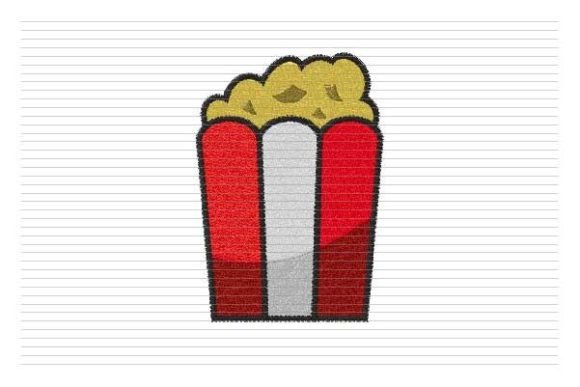
Popcorn Cinema Food Embroidery Review
As an embroidery designer who has spent years turning digital concepts into tangible brand assets, I look at every new design file with a critical eye. It is not just about whether the stitches look pretty; it is about whether they translate effectively to real-world merchandise. Today, I am reviewing Popcorn Cinema Food, a design categorized under Food and Embroidery. This review focuses on its viability for small business owners, Etsy sellers, apparel decorators, and creative studios looking to expand their product lines.
The product description highlights a diverse range of unique and high-quality designs crafted with attention to detail. While the text cuts off slightly regarding the skill level, the emphasis on "impeccable results" suggests a file that balances aesthetic appeal with technical precision. Let us break down how Popcorn Cinema Food performs in a commercial context.
First Impressions: Visual Personality and Brand Fit
When you first load a digital embroidery file like Popcorn Cinema Food into your digitizing software, the immediate visual impact dictates its potential. Based on the title, this design likely carries a playful, nostalgic, and inviting energy. The word "Cinema" evokes feelings of leisure, entertainment, and shared experiences, while "Popcorn" grounds it in a specific, beloved snack culture. "Food" anchors it firmly in the culinary or lifestyle sector.
This combination makes the design feel friendly rather than corporate. It is not stiff or overly formal. Instead, it feels handmade, approachable, and perfect for brands that want to convey warmth. For a small café, a boutique bakery, or a handmade gift shop, this visual personality aligns perfectly with a desire to build community and customer loyalty. It suggests a brand that is fun but still professional enough for retail display.
Real-World Business Applications
The true test of any machine embroidery design is its versatility across different merchandise types. Here is how Popcorn Cinema Food can be integrated into various business streams:
- Embroidered Patches: One of the most profitable uses for this design is creating iron-on or sew-on patches. These are highly sought after by crafters and DIY enthusiasts. A well-executed patch featuring Popcorn Cinema Food can serve as a unique accessory for denim jackets, backpacks, or hats, allowing customers to customize their own gear.
- Staff Uniforms and Aprons: For a coffee shop, cinema concession stand, or food truck, this design offers a charming alternative to standard logos. Placing it on the chest of a work shirt or the pocket of an apron adds a touch of personality without overwhelming the uniform. It helps staff feel part of a cohesive, yet relaxed, team culture.
- Caps and Headwear: Cap embroidery is a staple for small business merch. The design’s likely bold outlines and clear shapes make it suitable for front-center placement on baseball caps or beanies. It works particularly well for seasonal promotions or limited-edition drops tied to movie nights or snack events.
- Tote Bags and Shopping Bags: Canvas tote bags remain a favorite among eco-conscious consumers. Using Popcorn Cinema Food on a tote bag transforms a simple utility item into a walking advertisement. The design’s thematic link to food makes it ideal for grocery stores, farmers markets, or artisanal bakeries.
- Product Packaging Accents: Beyond clothing, consider stitching this onto fabric tags attached to product packaging. For a brand selling gourmet popcorn kernels or cinema-themed snacks, having a branded textile label adds significant perceived value and tactile quality to the unboxing experience.
Strategic Considerations and Limitations
No design is flawless, and knowing where to exercise caution is what separates a novice from a pro. When using Popcorn Cinema Food, keep the following constraints in mind:
- Small Patch Sizes: If you plan to scale this design down for tiny labels or miniature patches, inspect the fine details closely. Small lettering or intricate outlines may merge together during the stitching process, resulting in a muddy appearance. Always stitch a test sample at the intended final size.
- Curved Surfaces: Embroidering on curved surfaces like cap fronts or rounded tote corners requires precise hooping techniques. Ensure the design’s density allows for smooth stretching over the curve without distortion.
- High Stitch Density: Designs with heavy fill areas can become stiff and uncomfortable if stitched too densely. Check the stitch count relative to the fabric type. On lightweight fabrics, excessive density can cause puckering.
- Fabric Texture and Color: Dark uniforms require careful thread color selection. Light threads on dark backgrounds may need an underlay stitch to prevent show-through. Conversely, textured fabrics like heavy canvas or wool can obscure fine details, so simplify the design visually if necessary.
- Frequent Washing: For items like aprons or work shirts that undergo frequent laundering, ensure the design is secured with appropriate stabilizers and backstitches to prevent fraying or thread breakage.
Impact on Brand Identity and Customer Trust
Investing in high-quality commercial embroidery does more than just decorate a product; it communicates professionalism. A crisp, well-stitched version of Popcorn Cinema Food signals to your customers that you care about details. This attention to detail builds trust and enhances brand recognition.
Consistency is key. If you use this design across multiple touchpoints—caps, tote bags, and packaging—it creates a unified visual language. Customers begin to associate the playful, cinematic aesthetic of the design with your brand’s values of fun, quality, and hospitality. This emotional connection drives repeat business and encourages social media sharing, as customers love displaying unique, handmade-style products.
Practical Designer Notes for Production
Before committing to a large production run, follow these essential steps to ensure success:
- Test in Black and White: Convert the design to monochrome to check contrast and spacing. This helps identify areas that might lose definition when stitched.
- Review Thread Color Contrast: Select thread colors that pop against your target fabric. Avoid low-contrast combinations that fade into the background.
- Inspect Spacing and Hoop Size: Confirm that the design fits within your standard hoop sizes. Adjust scaling if needed to maximize space utilization and minimize waste.
- Use Proper Stabilizer: Match the stabilizer weight to the fabric. Lightweight fabrics need light stabilizers, while heavy canvases require firm backing to prevent movement.
- Create a Printable Mockup: Before cutting fabric, generate a printable mockup to visualize the design on the actual product. Share this with clients for approval to avoid costly mistakes.
- Confirm Commercial Licensing: Ensure you have the right to sell finished goods made from this embroidery file. Check the license terms provided with the download to avoid legal issues.
In conclusion, Popcorn Cinema Food is a versatile and engaging design asset. Its playful nature makes it ideal for businesses aiming to create a warm, inviting brand image. By carefully considering application methods, fabric choices, and production quality, you can transform this digital file into a powerful tool for enhancing your handmade product offerings and driving customer engagement.