Little Star Embroidery Review
As a designer who spends half my day staring at stitch maps and the other half troubleshooting tension issues on industrial machines, I don’t just look at an embroidery design; I evaluate its viability. When I pulled up the Little Star file to test for a potential client project, my first thought wasn’t about the aesthetic alone—it was about execution. Would this hold up in a real-world application? Would it translate well to the specific fabric constraints of a boutique baby line? After running several tests and visualizing how this machine embroidery design behaves under the needle, here is my practical breakdown of why this piece works, where it shines, and where you need to be careful.
The First Impression: Mood and Visual Personality
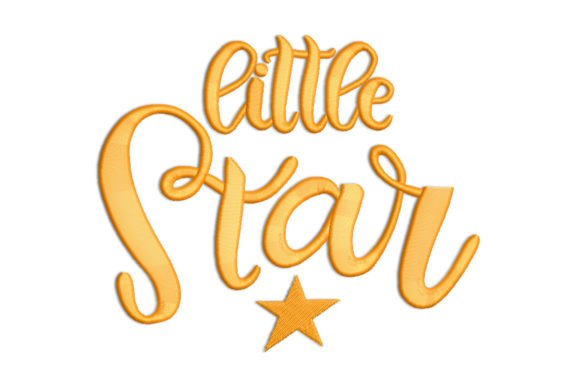
The moment you load the embroidery file, the intent is clear. This isn’t a bold, streetwear-style graphic or a complex landscape scene. It is intimate. The design centers on the phrase "Little Star" rendered in delicate lettering, surrounded by celestial motifs that suggest innocence and wonder. Visually, it creates a soft, nurturing mood that immediately signals "newborn" or "toddler." For designers targeting the Babies category, this is a crucial distinction. You aren’t trying to grab attention with aggression; you are inviting the viewer in with warmth.
From a layout perspective, the balance between the text and the graphical elements feels natural. There is no clutter. In an era where digital assets are often over-designed, the simplicity of this piece is its greatest strength. It allows the quality of the stitching to speak for itself rather than competing with too many details. It feels like a classic design asset that won’t look dated in three years, which is exactly what Etsy sellers and small shop owners need for long-term inventory planning.
Real-World Application: Where Little Star Fits Best
I always ask myself: what product would a customer actually buy? Based on the scale and style of Little Star, my immediate visualization is a custom embroidered tote bag or a high-quality cotton sweatshirt for a new parent. However, its versatility extends further into the realm of personalized gifts and nursery decor.
- Baby Clothes and Blankets: The delicate nature of the design makes it ideal for bodysuits, bibs, or swaddle blankets. Because the stitch density appears moderate, it won’t weigh down thin baby fabrics, maintaining comfort while adding a premium touch.
- Home Decor: Imagine this stitched onto a linen pillow cover or a kitchen towel for a baby shower gift. The contrast against neutral tones like cream, sage, or light grey would be stunning. It elevates a simple textile into a keepsake.
- Craft Business Merchandise: For those selling at craft fairs, this design translates perfectly to embroidered patches or cap branding. If you are building a brand around handmade goods, having a signature motif like this helps with recognition.
When I mock up this design digitally, it holds up well as a printable mockup for online listings. The clean lines ensure that even when viewed on a small mobile screen, the details remain legible. This is vital for conversion rates on platforms like Etsy, where customers scroll quickly.
Technical Performance and Stitch Clarity
One of the most common mistakes makers make is assuming all designs stitch out cleanly on all fabrics. With Little Star, the clarity relies heavily on your choice of thread colors and fabric background. The delicate lettering requires a strong contrast. If you attempt this on a dark fabric with dark thread, the message will get lost. Conversely, white thread on white fabric defeats the purpose.
I recommend testing this design with a satin stitch finish on the lettering to give it a polished, professional edge. The fill stitches used for the star elements should provide enough texture to create visual interest without becoming bulky. However, you must pay close attention to the stitch density. If the density is too high for the chosen fabric weight, you risk puckering, especially on lightweight jersey knits often used for baby apparel. Always use a proper stabilizer—cut-away for stretchy fabrics and tear-away for wovens—to maintain structural integrity.
Where to Exercise Caution
While Little Star is charming, it is not a one-size-fits-all solution. There are specific scenarios where this design might struggle:
- Small Hoop Sizes: If you are working with very small hoops (under 4 inches), the text may become too cramped to read comfortably. Ensure your final product size allows the design to breathe.
- Textured Fabrics: Avoid using this on bouclé, heavy tweed, or highly textured materials. The needle penetration could be inconsistent, leading to skipped stitches or distorted lettering.
- Curved Surfaces: While caps are popular, applying a flat, rectangular layout like this to a curved surface can result in distortion unless you have advanced digitizing skills to compensate for the curve.
- Dense Stitch Areas: If the design includes dense fill areas near delicate edges, be cautious during trimming. Aggressive trimming can pull at the surrounding stitches.
Additionally, consider the end-use of the finished product. If you are making items that require frequent washing, such as baby clothes or kitchen towels, ensure the threads you choose are colorfast. Some pastel threads, while beautiful, may fade after multiple wash cycles, diminishing the value of the handmade product.
Designer’s Checklist Before Production
Before you commit to mass-producing items featuring Little Star, run through this practical checklist:
- Test on Scrap Fabric: Never assume a design will work on your target material without a physical test. Check for puckering, thread breaks, and alignment.
- Review Black and White Mockups: Convert your digital preview to grayscale. This helps you assess the contrast levels of the design elements independently of color distractions.
- Confirm Licensing: If you plan to sell finished items or distribute this as a digital embroidery file, verify the license terms. Commercial rights vary widely, and protecting your business means knowing exactly what you are allowed to do.
- Inspect Small Details: Zoom in on the digital file. Are the corners of the letters sharp? Is the spacing consistent? Minor digitizing errors can look major once stitched.
- Compare Backgrounds: Test the design on both light and dark backgrounds to ensure it remains versatile for different product variations.
Final Verdict: A Solid Addition to Your Design Assets
Little Star is more than just a cute graphic; it is a functional, emotionally resonant design that fits seamlessly into the current market for personalized baby gifts and boutique home decor. Its strength lies in its simplicity and emotional appeal. For creative entrepreneurs looking to expand their catalog with items that feel personal and high-quality, this design delivers.
It performs best when paired with high-quality textiles and thoughtful presentation. Whether you are creating a limited-edition drop for your online store or fulfilling a custom order for a friend, Little Star offers a reliable foundation for a successful embroidery project. Just remember that the magic happens in the execution—pay attention to your stabilizers, your thread choices, and your finishing touches, and this design will help you create something truly special.