Knitting Needles and Yarn Embroidery Review
As a designer who spends half the day staring at screens and the other half stitching, I have developed a certain level of skepticism when it comes to new machine embroidery design downloads. We have all seen the glossy mockups that promise perfection but deliver tangled thread in reality. That is why I approach every new embroidery file with a critical eye, specifically looking for how it translates from digital vector to physical textile. Today, I am putting the "Knitting Needles and Yarn" design through its paces to see if it holds up in real-world application.
The premise is simple: embellish your fabrics with this lovely embroidery design. It promises a touch of whimsy and charm, targeting items like towels, pillows, and home decor. But does it deliver? Let us look past the marketing copy and discuss what actually matters when you are preparing this for a client project or your own handmade product line.
First Impressions and Visual Personality
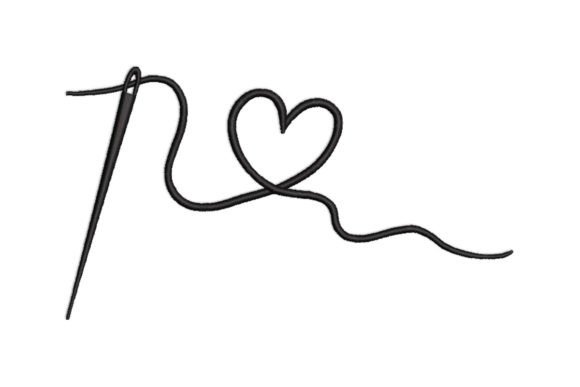
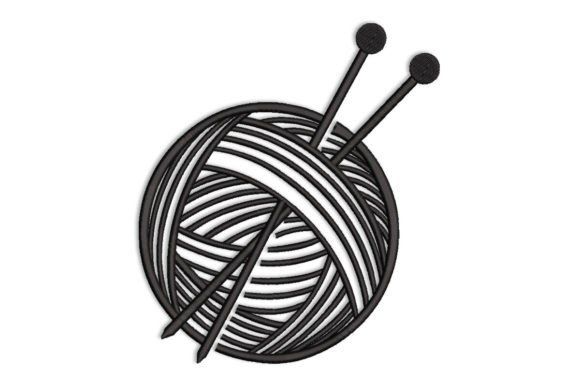
When I first loaded the digital embroidery file into my hoop software, the immediate appeal was its cozy, tactile aesthetic. The design captures the essence of the craft itself—knitting needles crossed with a skein of yarn—which creates a meta-narrative that knitters and crocheters will instantly recognize and appreciate. This is not just a decorative motif; it is a statement piece for anyone who identifies as a maker.
Visually, the layout feels balanced. The curves of the yarn contrast nicely with the straight lines of the needles, creating a dynamic composition that works well within standard circular or rectangular hoops. The mood it creates is warm, inviting, and domestic. It screams "hygge," which makes it an excellent candidate for home decor projects. However, the success of this design hinges entirely on how well the artist interpreted the texture of the yarn. If the fill stitch areas lack variation, the design can look flat and lifeless, losing that crucial sense of softness it aims to convey.
Real-World Application: The Custom Tote Bag Scenario
To truly test this design, I imagined using it for a custom tote bag design intended for an Etsy shop focused on craft supplies. The target customer is likely someone who buys knitting kits or attends fiber arts workshops. Placing the "Knitting Needles and Yarn" graphic on the front center of a canvas tote is a classic move, but it requires careful execution.
In this scenario, the design needs to be legible from a distance while still offering enough detail to reward a closer look. I would recommend positioning the design slightly higher than the bottom edge of the bag to ensure it remains visible even when the bag is filled with heavy books or yarn bundles. The whimsical nature of the artwork pairs exceptionally well with natural fabric textures, such as organic cotton or jute blends, enhancing the fabric texture rather than competing with it.
For a small business owner, this design offers high perceived value. It suggests thoughtfulness and shared interest, which builds customer trust. When a buyer sees a design that celebrates their hobby, they are more likely to engage with the brand. This is particularly effective for personalized gift markets, where adding a name or date to the design (if the file structure allows) can significantly boost sales during holiday seasons.
Performance on Various Textiles and Garments
While the tote bag is a strong contender, the versatility of this embroidery project extends further. Here is how I see it performing across different categories:
- Custom Apparel: On a sweatshirt or t-shirt, this design works best as a chest pocket placement or a centered back print. For sweatshirt embroidery, the heavier fabric supports the density of the design well. However, avoid placing it on thin, stretchy jersey materials without proper stabilization, as the weight of the stitches may cause puckering.
- Baby Embroidery: This theme is surprisingly suitable for nursery decor or baby blankets. The soft imagery aligns with the gentle aesthetics parents often seek. Just ensure that any small details, such as the eyes of a potential character or tiny text, are large enough to remain clear after washing.
- Kitchen Towels and Aprons: As mentioned in the product description, towels are a natural fit. The high thread count of kitchen linen provides a smooth surface for clean satin stitch edges, which helps define the outlines of the needles. This adds a professional finish to what might otherwise be a simple utility item.
- Embroidered Patch: Converting this into an embroidered patch for denim jackets or backpacks is another viable option. The distinct shape of the elements allows for a clean border, making it easy to apply via iron-on backing or sewing.
Where Caution Is Required
No design is without its challenges, and "Knitting Needles and Yarn" has specific areas where you must exercise care. If you attempt to digitize or stitch this on a curved surface like a baseball cap, the distortion of the hoop can warp the delicate lines of the needles. It is generally safer to stick to flat surfaces for the initial runs.
Furthermore, consider the stitch density. If the original file uses dense fill stitches to represent the yarn, it may become stiff and uncomfortable against the skin. For items that will be worn directly against the body, such as baby clothes or inner shirt collars, lighter stitch counts are preferable. Always inspect the design for any overly dense clusters that could lead to needle breakage or thread tension issues.
Another critical factor is color contrast. The design relies on visual distinction between the needles and the yarn. On dark fabrics, you will need to use underlay stitches or a contrasting background to make the design pop. Conversely, on light fabrics, ensure the thread colors are saturated enough to maintain clarity. Testing in black and white mockups can help you gauge the tonal balance before committing to expensive threads.
Practical Designer Notes for Execution
Before you rush to produce these items for your craft business, there are several technical steps you should take to ensure a successful outcome.
- Test on Scrap Fabric: Never go straight to the final product. Stitch the design on a scrap of the same material you plan to use. This reveals how the fabric reacts to the stabilizer and whether any puckering occurs.
- Check Hoop Size: Confirm that the hoop size required by the file fits comfortably within your available workspace. Some complex layouts may require larger hoops than anticipated, limiting your placement options.
- Review Small Details: Zoom in on the digital preview. Are there any tiny running stitches that might get lost or tangled? If so, consider simplifying the design or increasing the minimum stitch length in your editing software.
- Thread Color Selection: Choose threads that complement the whimsical nature of the design. Pastel threads work well for a soft, dreamy look, while bold primary colors can give it a playful, modern vibe. Avoid dull or muddy tones that might make the design look dated.
- Commercial Licensing: If you intend to sell finished products featuring this design, verify the licensing terms. Not all design assets allow for commercial use. Ensure you have the right permissions to avoid legal issues down the line.
Final Verdict
The "Knitting Needles and Yarn" design is a charming addition to any embroiderer’s library. It succeeds in creating a warm, relatable image that resonates with a specific niche audience. Its strength lies in its thematic relevance and visual balance, making it ideal for home decor, gifts, and apparel.
However, like any embroidery project, its success depends on execution. By paying attention to fabric choice, stabilizer support, and thread selection, you can transform this simple motif into a high-quality finished product that stands out in a crowded market. For designers and sellers looking to add a touch of creativity to their inventory, this design offers a solid foundation for building a cohesive and appealing collection.
If you are an Etsy seller or small shop product creator, this design has the potential to drive engagement due to its broad appeal among craft enthusiasts. Just remember to do your homework on the technical specifications and always prioritize quality control. With careful planning, "Knitting Needles and Yarn" can be more than just a pretty picture—it can be a profitable and beloved part of your creative portfolio.