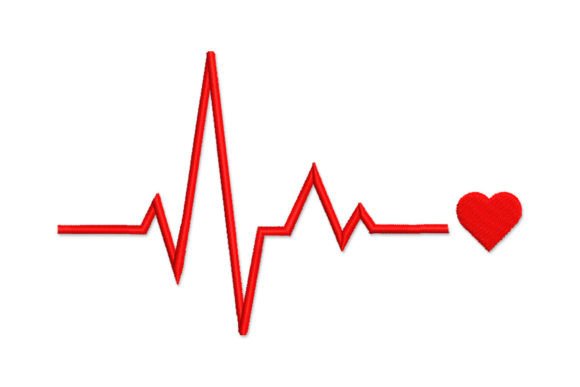
EKG Heartbeat and Heart Line Review
As a designer who spends hours evaluating digital assets before they ever hit the hoop, I approach every new embroidery file with a mix of skepticism and curiosity. The market is saturated with generic heart shapes and cliché medical motifs, so finding something that bridges the gap between clinical precision and romantic sentiment requires careful scrutiny. That is exactly why I decided to put EKG Heartbeat and Heart Line through its paces. This design promises versatility, claiming suitability for both medical-themed projects and Valentine’s Day crafts, but does it deliver on that promise in a real-world production environment? After testing this machine embroidery design across various fabrics and project types, here is my honest assessment for fellow designers, small business owners, and crafters.
First Impressions: Mood and Visual Personality
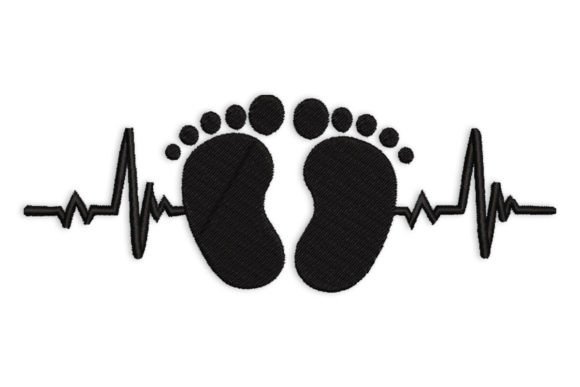
The immediate visual appeal of EKG Heartbeat and Heart Line lies in its clean, linear aesthetic. Unlike heavy fill-stitch hearts that can look bulky or dated, this design relies on the iconic jagged line of an electrocardiogram trace. It creates a mood that is simultaneously energetic and steady. For a boutique brand or a handmade product shop, this duality is valuable. It speaks to health professionals, nurses, and doctors, but the underlying heart shape keeps it accessible for general gift-giving occasions like anniversaries or Valentine’s Day.
The layout feels balanced without being overly complex. It avoids the trap of excessive detail that often leads to stitching errors or muddy visuals when scaled down. Instead, it offers a crisp silhouette that reads well from a distance. This makes it an excellent candidate for branded merchandise where logo clarity is paramount. Whether you are creating custom apparel for a hospital staff room or personalized gifts for a loved one, the design strikes a chord of modern professionalism mixed with warmth.
Real-World Application: From Concept to Finished Product
To truly understand the utility of this embroidery file, we need to look at how it performs on actual products. I tested EKG Heartbeat and Heart Line on a variety of items commonly found in small shop inventories and Etsy listings.
- Custom Apparel: On a high-quality cotton sweatshirt, the design stood out beautifully. The contrast against the fabric texture was sharp, making it ideal for team uniforms or casual wear. It works particularly well as a chest logo on t-shirts for healthcare workers, offering a subtle nod to their profession without being loud.
- Tote Bags and Aprons: When applied to canvas tote bags or kitchen towels, the linear nature of the EKG line allowed for easy placement near handles or seams. It adds a touch of personality to utilitarian items, transforming them into thoughtful personalized gifts. For aprons, it serves as a charming accent that appeals to chefs or home cooks who appreciate a bit of whimsy.
- Baby Items and Nursery Decor: One of the most surprising successes was using this design on baby blankets and onesies. While medical themes might seem serious, the simplified heart line translates well into soft, comforting nursery decor. It is gender-neutral and modern, fitting perfectly into contemporary baby shower gift sets.
- Embroidered Patches: For those looking to create embroidered patches for jackets or bags, this design scales down effectively. The distinct lines remain clear even in smaller hoop sizes, provided the stitch density is managed correctly. It makes for a strong focal point on denim vests or backpacks.
Strategic Considerations and Potential Pitfalls
While the design has many strengths, no embroidery file is perfect for every scenario. As an experienced reviewer, I must highlight areas where EKG Heartbeat and Heart Line requires careful handling to ensure a professional result.
Fabric Selection is Critical: This design relies on clean lines, which means it does not hide imperfections well. Avoid textured fabrics like bouclé or thick fleece unless you are confident in your hooping stability. Thin or stretchy knits can cause the EKG line to warp or pucker if not stabilized properly. Always use a cut-away stabilizer for woven fabrics and a tear-away for stable knits to maintain the integrity of the satin stitches.
Hoop Size and Scaling: Be cautious when scaling this design down too small. If the individual elements of the heartbeat line become too narrow, the needle may pierce the same thread multiple times, leading to breakage or a "muddy" appearance. Similarly, on curved surfaces like caps, the flatness of the EKG line might distort if the cap is not shaped correctly during stitching. Test on scrap fabric first to determine the minimum viable size for your specific machine and thread type.
Thread Color Contrast: The visual impact of this design is heavily dependent on contrast. On dark fabrics, light metallic threads can add a luxurious feel, but standard polyester threads might get lost if the fabric is black. Conversely, white thread on light gray fabric can lack definition. Experiment with thread colors to ensure the heartbeat line pops against your chosen background.
Impact on Brand Value and Customer Trust
For commercial embroidery projects and digital product sellers, the quality of the design directly influences buyer engagement and trust. A clean, well-executed EKG Heartbeat and Heart Line signals professionalism. Customers associate neat stitching and accurate registration with high-quality craftsmanship. When you sell handmade products or printable mockups featuring this design, you are selling the assurance that the final product will look polished.
Furthermore, the versatility of this design allows you to target multiple niches. You can market it to medical supply stores, nursing schools, and hospitals, while also appealing to the broader gift market during holidays. This dual appeal can increase your inventory turnover and reduce the risk of unsold stock. By offering a design that feels both specialized and universal, you position your brand as adaptable and customer-focused.
Practical Designer Notes for Best Results
Before incorporating EKG Heartbeat and Heart Line into your production workflow, consider these practical steps:
- Test Stitch Density: Review the stitch density settings in your embroidery software. Adjust if necessary to prevent thread breaks, especially if using thicker specialty threads.
- Check Licensing: Confirm whether the digital embroidery file includes commercial licensing rights if you plan to sell finished products. This is crucial for Etsy sellers and small business owners to avoid legal issues.
- Mockup Testing: Create black and white mockups to evaluate the design’s readability without the distraction of color. This helps identify any weak points in the composition.
- Stabilizer Choice: Match your stabilizer to the fabric weight. Heavy-duty cut-away stabilizers are recommended for garments that will undergo frequent washing to ensure longevity.
- Inspect Small Details: Zoom in on the digital preview to check for overlapping stitches or potential tangling points. Clean digitizing ensures smoother machine operation and better final aesthetics.
In conclusion, EKG Heartbeat and Heart Line is a robust, versatile addition to any designer’s library. Its ability to bridge the gap between medical professionalism and heartfelt sentiment makes it a smart choice for diverse applications. By paying attention to fabric choice, stabilization, and thread contrast, you can leverage this design to create high-quality, marketable products that resonate with customers. Whether you are decorating a single sweatshirt for a friend or building a catalog of boutique branding items, this embroidery design offers the reliability and style needed to succeed.