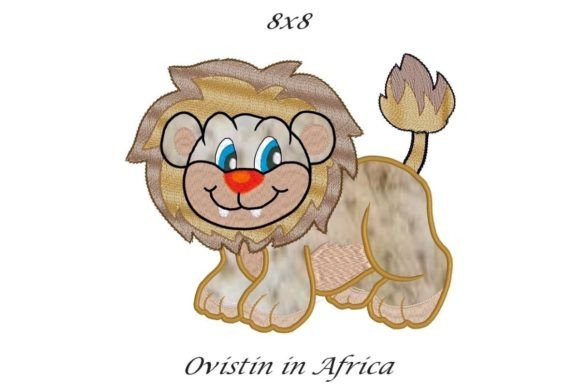
Cute Lion Applique Review
As an embroidery designer who spends most of my days tweaking stitch paths and testing thread tensions, I don’t download every file that catches my eye. There is a specific rhythm to a well-constructed machine embroidery design, and when it comes to adding whimsy to handmade products, the technique matters just as much as the artwork itself. Recently, I pulled Cute Lion Applique from Creative Fabrica to see if it had the potential for real-world commercial use. After running several test stitches on scrap fabric and visualizing how it might look on various customer orders, here is my honest evaluation.
First Impressions: A Friendly Face for Handmade Goods
The very first thing that stands out about this machine embroidery design is its approachable aesthetic. In the crowded market of digital embroidery files, "cute" can often veer into caricature or lose definition when stitched at smaller sizes. However, this applique design strikes a balance between detailed character work and clean simplicity. The depiction of the lion is friendly and inviting, making it an excellent candidate for brands that want to convey warmth and comfort.
Because this piece utilizes the appliqué technique, it combines fabric and embroidery to create depth. This isn't just a flat image; it’s a layered composition. For designers looking to elevate their handmade product offerings, this distinction is crucial. It suggests a higher perceived value than a standard satin-stitch logo, which can help justify premium pricing in boutiques or on Etsy.
Performance in Real Embroidery Projects
I evaluated how this embroidery file performs across different mediums. The versatility of the Cute Lion Applique makes it suitable for a wide range of applications, but some fit better than others depending on the project goals.
- Baby Items and Nursery Decor: The soft, adorable nature of the lion makes it a top-tier choice for baby blankets, burp cloths, and nursery wall art. Parents are often drawn to designs that feel gentle and safe, and the appliqué texture adds a tactile element that appeals to sensory development.
- Kitchen Towels and Aprons: For home goods, this design brings a playful touch to functional items. It works particularly well on light-colored cotton kitchen towels or as a chest pocket detail on children’s aprons. The contrast provided by the appliqué base helps the design pop against busy kitchen environments.
- Tote Bags and Sweatshirts: When used on canvas tote bags or fleece sweatshirts, the design holds up well. However, on stretchy fabrics like sweatshirt material, proper stabilization is non-negotiable to prevent puckering. The stitch density needs to be managed carefully here to ensure the garment remains comfortable to wear.
- Embroidered Patches: If you plan to turn this into a detachable patch, the clean edges of the appliqué shape provide a strong foundation. It allows for easy iron-on application, which is a huge selling point for craft fair customers who want versatile accessories.
Practical Considerations for the Designer
While the artistic merit of the Cute Lion Applique is high, technical execution is where many projects succeed or fail. As you consider incorporating this into your workflow, keep the following practical notes in mind.
Hoop Size and Scale
Before committing to production, always check the hoop size specified in the product details. Appliqué designs often require larger hoops to accommodate the fabric placement steps. If you are designing for small caps or tiny lettering areas, ensure the design scales down without losing the integrity of the lion’s facial features. Small details can get lost if the final output is too cramped.
Thread Colors and Contrast
The success of any appliqué design relies heavily on the contrast between the background fabric and the embroidered elements. I recommend testing this digital embroidery file on both light and dark fabric mockups. On dark fabrics, you may need to adjust the thread colors or add a stabilizing underlay to ensure the lion’s face remains visible and vibrant. Poor contrast can make a charming design look muddy and unprofessional.
Stabilizer Selection
Using the correct stabilizer is critical, especially when working with stretchy materials like jersey knit for sweatshirt embroidery. A cut-away stabilizer is often recommended for appliqué to provide long-term support, preventing the fabric from distorting after washing. For woven fabrics like cotton tote bags, a tear-away may suffice, but a wash-away option can leave a cleaner finish if the backing is bulky.
Dense Stitch Areas
Inspect the dense stitch areas closely after stitching. High-density fill stitches can sometimes cause fabric distortion or needle breakage if not properly hooped. Ensure that the running stitch and satin stitch boundaries are clear to avoid thread breaks during the automated trimming process.
Impact on Product Value and Branding
In the world of commercial embroidery, presentation is everything. A well-executed appliqué design signals quality to the end buyer. When customers receive a personalized gift or a custom apparel item featuring Cute Lion Applique, they are getting more than just a logo; they are receiving a textured, multi-dimensional piece of art.
This level of detail enhances brand consistency. If your shop specializes in high-quality, thoughtful handmade goods, using complex techniques like appliqué reinforces that identity. It also improves product photography opportunities. The shadows and textures created by the layered fabric and thread give photographers natural highlights and depths, resulting in more engaging images for your online store.
Final Verdict
For embroidery designers, Etsy sellers, and creative entrepreneurs, Cute Lion Applique is a solid addition to your library of design assets. It offers a charming, professional-looking result that translates well across various product categories, from tote bag design projects to delicate baby items.
However, remember that the file is only half the equation. Your skill in preparation, stabilization, and finishing will determine the final outcome. Always review the specific file details, confirm licensing terms for commercial embroidery use on the Creative Fabrica product page, and run tests on your actual production materials before fulfilling customer orders. When done correctly, this design has the potential to become a bestseller in your shop.