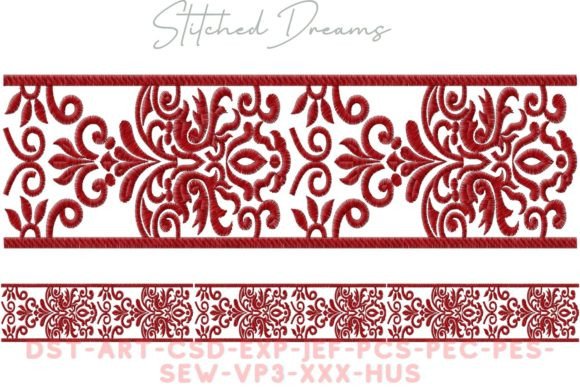
Border Red Circle Flower Review
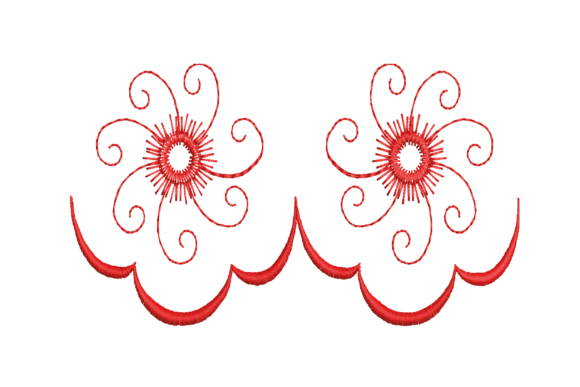
As an embroidery designer who spends half my life staring at hoop frames and the other half trying to convince people that a $25 tote bag is worth buying, I have developed a keen eye for what actually sells at craft fairs. It isn’t just about pretty patterns; it is about how a design translates from a digital file into a tangible, desirable handmade product. Today, I am reviewing the Border Red Circle Flower design to see if it has the potential to be a bestseller in your boutique or on your Etsy shop.
The description promises a fantastic floral border suitable for women’s fashion and home decor. But does it hold up under the scrutiny of a busy market booth? Let’s break down the visual appeal, production practicality, and selling potential of this machine embroidery design.
First Impressions: Bold, Decorative, and Versatile
When you first load the embroidery file, the immediate takeaway is its decorative strength. The title suggests a circular motif with red accents, which immediately signals warmth and energy. In the world of handmade goods, red is a color that grabs attention. It doesn’t whisper; it speaks. This makes it an excellent choice for catching the eye of a passerby at a crowded craft fair.
The "border" aspect is crucial. Unlike a centered monogram, which requires precise placement and often feels formal, a border design offers flexibility. It feels modern yet slightly rustic, depending on the thread colors you choose. If you use a classic white cotton background, it leans towards farmhouse chic. On a dark denim or black fabric, it shifts towards bold, contemporary streetwear. This versatility is exactly what a savvy Etsy seller needs to create multiple listings from a single asset.
Product Applications: Where Does It Shine?
To determine the true value of Border Red Circle Flower, we need to look at where it can live. A design is only as good as the products it adorns. Here is how I envision this design performing across various craftert fair products:
- Tote Bags and Market Bags: This is arguably the strongest application. A continuous border along the side or bottom edge of a canvas tote adds a premium feel without overwhelming the simple structure of the bag. It photographs beautifully for online listings because the linear nature of the border creates clean lines in images.
- Apron Embroidery: For kitchen-focused booths, placing this border along the bib or the waistband of an apron elevates a basic utility item into a gift-worthy piece. The red circles will pop against neutral linen or gingham fabrics, making it an instant impulse buy for home cooks.
- Tea Towel Embroidery: Similar to aprons, tea towels are low-cost, high-volume items. Using this design allows you to create matching sets (e.g., a towel and a pot holder) that increase your average order value. The repetitive nature of a border also makes these quick to produce once hooped correctly.
- Cushion Covers and Bedsheets: For home decor vendors, this design works well as a hem stitch on pillowcases or a focal band on throw pillows. It adds texture and visual interest to plain linens, transforming them into finished product pieces that justify a higher price point.
- Embroidered Patches and Caps: While primarily a border, the individual circle elements could potentially be adapted for smaller applications. However, as a full border, it is less suited for curved cap surfaces unless customized carefully. Stick to flat surfaces like pouches or patch backgrounds for the best results.
Production Practicality and Design Integrity
From a production standpoint, efficiency is money. You cannot afford to spend twenty minutes troubleshooting a jammed needle during a busy weekend. Here is what you need to consider regarding the technical execution of this digital embroidery file.
Stitch Density and Clarity: Always inspect the stitch density before committing to bulk production. Floral designs can sometimes suffer from "stitch bleed," where the fabric shows through the threads, especially if using lighter colored threads on textured fabrics. Test the Border Red Circle Flower on your actual target fabric. If the red circles are composed of tiny, dense satin stitches, ensure they do not pucker thin cottons. If the details are too small, they may lose clarity when viewed from a distance, which is critical for booth displays.
Hoop Size and Layout: Confirm the required hoop size aligns with your machine’s capabilities. A long border might require a multi-step process or a larger hoop, which can slow down your workflow. If the design is meant to wrap around a corner, check the alignment points. Misalignment is the fastest way to ruin a small shop product and waste material.
Fabric Texture Compatibility: This design likely relies on smooth thread lay to show off the circular shapes. It may not perform as well on highly textured fabrics like heavy burlap or shaggy fleece, where the definition of the flower details could get lost. Stick to smooth weaves like canvas, linen, or percale for the crispest result.
Selling Strategy and Visual Appeal
How does this design affect your brand consistency and buyer engagement? A strong visual identity is key. The Border Red Circle Flower provides a cohesive theme. By using the same border design across different items—say, a matching set of a tea towel, a mug rug, and a small pouch—you create a recognizable collection. Customers love sets; it simplifies their decision-making process and increases perceived value.
Photography is another major factor. Linear designs are easier to photograph effectively. They frame the product nicely. When creating printable mockups for your online store, this border will render cleanly, ensuring that what the customer sees online matches the physical reality. This reduces returns and builds trust.
Essential Designer Notes for Success
Before you start churning out inventory, follow these professional guidelines:
- Test on Scrap Fabric: Never skip this step. Use the exact fabric and thread colors you plan to sell with. Check for puckering, tension issues, and color accuracy.
- Check Thread Contrast: Ensure the red stands out sufficiently against your base fabric. Low contrast can make the design look muddy in person.
- Review Spacing: Pay attention to the spacing between the circles. Is it balanced? Does it feel cluttered or airy? Adjust the scaling in your software if necessary to fit your specific product dimensions.
- Use the Right Stabilizer: For lightweight fabrics, use a cut-away stabilizer to prevent distortion. For heavier items like tote bags, a tear-away might suffice, but always test first.
- Confirm Commercial Licensing: Verify that you have the right to sell finished products made from this commercial embroidery file. Intellectual property rights vary by designer.
- Create Real Mockups: Produce at least one physical sample. Hold it. Touch it. See how the light hits the threads. This tactile experience is what converts browsers into buyers.
Final Verdict
The Border Red Circle Flower is a versatile, eye-catching design that fits seamlessly into the current landscape of handmade and boutique goods. Its strength lies in its adaptability—it works equally well on a functional tea towel as it does on a fashionable tote bag. For craft fair sellers looking to add a pop of color and elegance to their booth, this design offers a solid foundation for a profitable product line. Just remember: success comes from quality execution. Take the time to test, perfect your setup, and present your handmade products with pride. When done right, a simple border can become the signature look that customers come back for.